


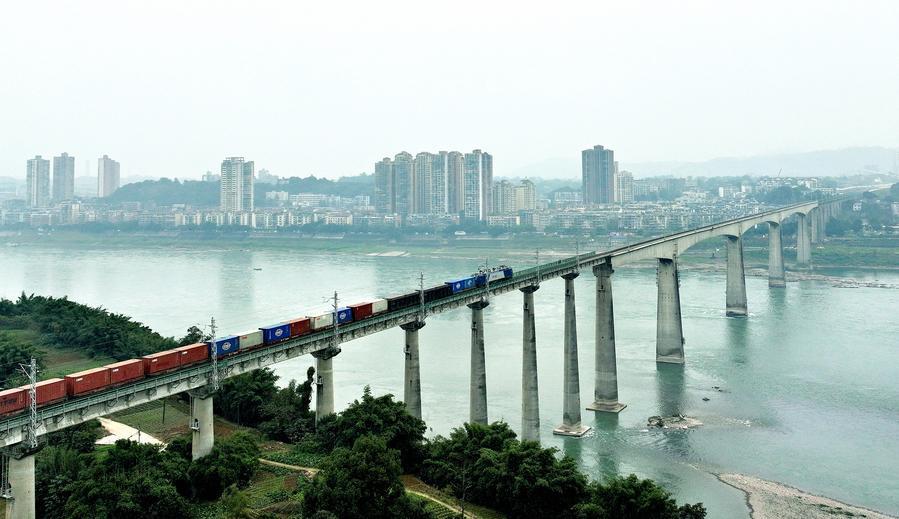
Looking ahead, de la Mora said global economic growth is expected to slow further. And China, as the world's largest exporter and a major importer, is deeply integrated into global supply and value chains.
GENEVA, Dec. 29 (Xinhua) -- As lingering uncertainty and rising protectionism continue to weigh on the global economy, China remains a key engine of global trade and economic growth, a senior United Nations trade official has said.
In a recent interview with Xinhua, Luz Maria de la Mora, director of the Division on International Trade and Commodities at UN Trade and Development (UNCTAD), warned that shifts in U.S. tariff policy since the beginning of this year have generated significant uncertainty for international trade and investment.
According to de la Mora, the United States has raised average tariff levels from 2.6 percent at the start of this year to 17.9 percent currently.
"That kind of uncertainty normally has an impact on investors, on trade partners, and also on the way in which supply chains are working," she said, adding that such disruptions not only affect U.S. imports and global trade but also weaken trade's contribution to overall economic growth.
Looking ahead, de la Mora said global economic growth is expected to slow further. "Moving towards 2026, we are expecting to see a slowdown in the rate of growth of the global economy," she said, noting that the trend has already been evident throughout 2025.
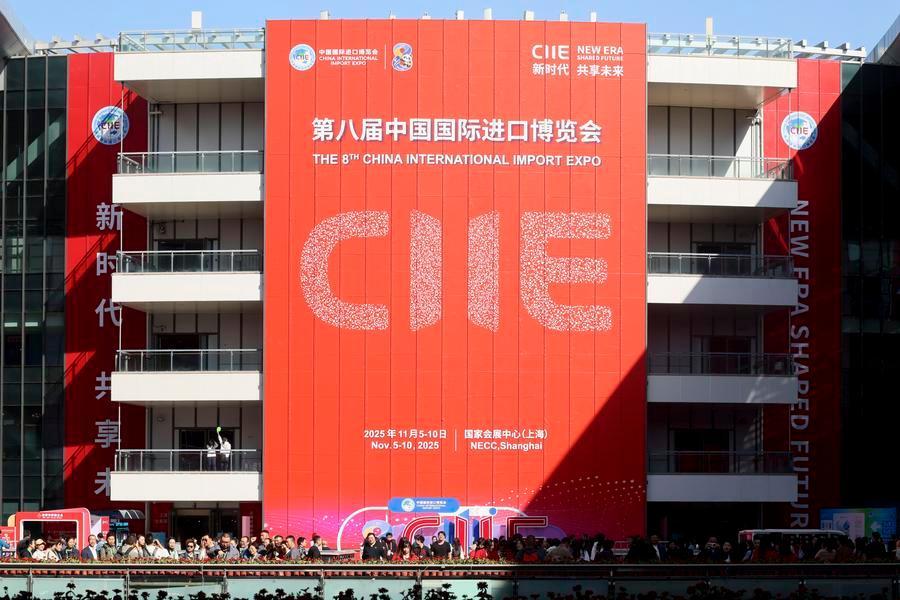
According to UNCTAD's Trade and Development Report 2025, global economic growth is projected to decelerate from 2.9 percent in 2024 to 2.6 percent in 2025 and remain subdued at around 2.6 percent in 2026, well below the pre-pandemic trend of about 3 percent.
De la Mora predicted that the main drivers of trade growth in 2026 will increasingly come from the Global South. Trade among developing economies, known as South-South trade, now accounts for more than 40 percent of global trade, she noted.
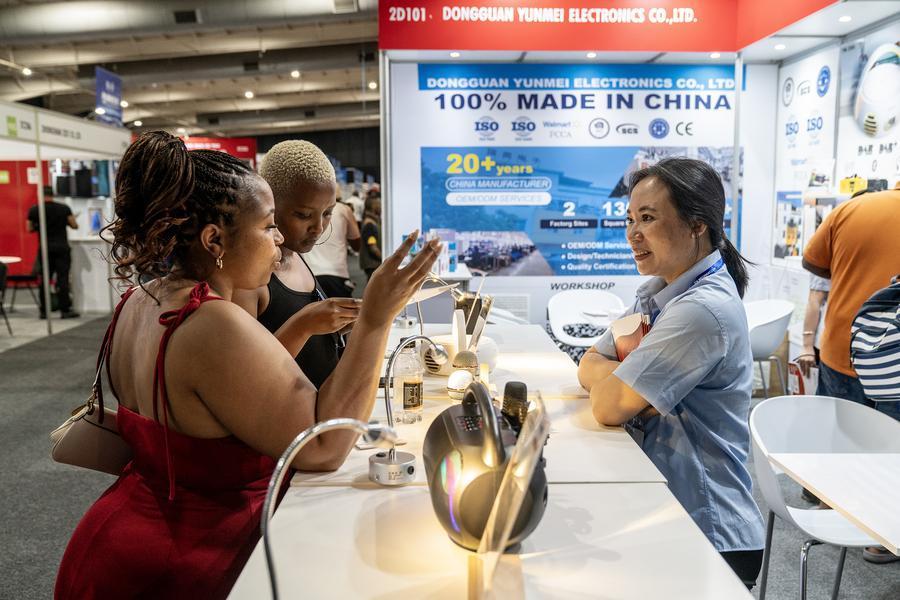
She also highlighted China's zero-tariff policy for African countries that have diplomatic relations with China, describing it as part of important efforts to ensure that trade continues to serve as an engine of growth.
As the world's largest exporter and a major importer, China is deeply integrated into global supply and value chains, she said.
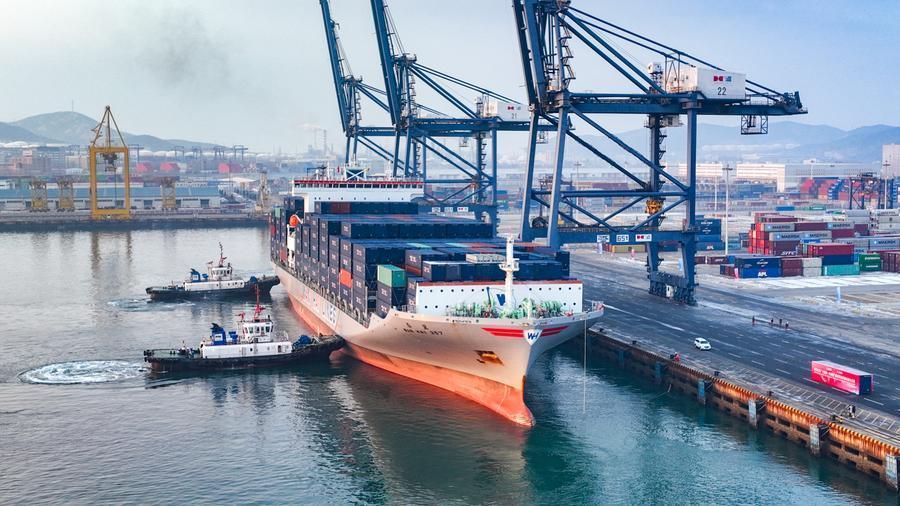
"In that sense, China is one of the key engines of growth for trade and, therefore, for the global economy," de la Mora said.
Looking into 2026, de la Mora cautioned that uncertainty in international trade is likely to persist, as multilateral trade rules are increasingly challenged by major actors prioritizing national or domestic concerns.
She stressed the importance of maintaining and reforming the multilateral trading system. "Being able to solve global problems at the multilateral level is really the best alternative for everyone, big and small," she said.
De la Mora added that she believes China will continue to be a strong advocate of multilateral trade rules and play a role in helping developing countries integrate more effectively into the global trading system.
 首页
首页 陕公网安备 61010302000964号
